


Why Choose Us
Quality products: Our company is committed to delivering high-quality products through their advanced manufacturing processes and strict quality control measures.
Competitive Pricing: We offer competitive pricing without compromising on quality, making our products accessible to a wide range of customers.
Wide Product Range: The Company can produce cords and ropes with a diameter from 2mm~300mm and in a wide variety of structures and types, including 3 strands, 4 strands, 6 strands, 8 strands, 12 strands, 16 strands, and double-layer braided 24 strands, 32 strands, 36 strands, 48 strands, etc., which have been widely used in deep sea mooring, marine engineering, ocean transportation, national defense and military industry, port towing, ocean fishery, mariculture, water conservancy engineering and special equipment and other fields.
Customer Service: In the pre-sales phase, we are committed to providing comprehensive consultation and customization services to ensure you choose the most suitable rope products for your needs. During the in-sales phase, we maintain close communication with clients to ensure smooth order processing and deliver high-quality products and services. After-sales service is our priority, ensuring clients receive optimal support and satisfaction throughout product usage.
Definition of Marine Rope
The marine rope is one of the most important and essential tools. From ancient times in navigation, it was the means that handled all the functions of a ship back then. Now most marine ropes are made of synthetic fibers like polyester, nylon, and polypropylene for both land and underwater purposes. They are applied to sails, anchors, and securing the boat or items on the boat.
-
![Rope Tensioner Marine]() Rope Tensioner Marinerope tensioner marine
Rope Tensioner Marinerope tensioner marine -
![Waxed Marine Rigging Rope]() Waxed Marine Rigging Ropewaxed marine rigging rope
Waxed Marine Rigging Ropewaxed marine rigging rope -
![Ulitimate Strength Of Marine Rope]() Ulitimate Strength Of Marine Ropeulitimate strength of marine rope
Ulitimate Strength Of Marine Ropeulitimate strength of marine rope -
![Sinking Marine Rope]() Sinking Marine Ropesinking marine rope
Sinking Marine Ropesinking marine rope -
![Smart Marine Anchor Rope]() Smart Marine Anchor Ropesmart marine anchor rope
Smart Marine Anchor Ropesmart marine anchor rope -
![Poly Marine Rope]() Poly Marine Ropepoly marine rope
Poly Marine Ropepoly marine rope -
![Marine Yachting Rope]() Marine Yachting Ropemarine yachting rope
Marine Yachting Ropemarine yachting rope -
![Marine Vinyl Awing Rope]() Marine Vinyl Awing Ropemarine vinyl awing rope
Marine Vinyl Awing Ropemarine vinyl awing rope -
![Marine Tie Down Ropes]() Marine Tie Down Ropesmarine tie down ropes
Marine Tie Down Ropesmarine tie down ropes -
![Marine Supplies Buoys Rope]() Marine Supplies Buoys Ropemarine supplies buoys rope
Marine Supplies Buoys Ropemarine supplies buoys rope -
![Marine Rated Wire Rope]() Marine Rated Wire Ropemarine rated wire rope
Marine Rated Wire Ropemarine rated wire rope -
![Marine Climing Rope]() Marine Climing Ropemarine climing rope
Marine Climing Ropemarine climing rope


Benefits of Marine Rope
1. Waterproof: It's no secret that the biggest feature to consider when choosing marine rope is that it's waterproof. Even if it doesn't come into direct contact with water, the fact that it's being used on a boat makes the waterproof aspect a necessary factor.
2. Strong and durable: Strength and durability go without saying (but I'm going to say it anyway). Salt and water can wear down the toughest fibers, and when you're trusting it to secure your boat, tow your kids and keep your sailboat sailing, you want it to be the best.
Floats
For towing (water skiing, tubing and wakeboarders), you'll want a marine rope that floats. This makes it easy for the rider to find and grab onto if they fall off.
inks
While seemingly counteractive to the previous characteristic, there are some boating tasks where you need the rope to sink. Namely, for anchor lines.
Stretches
Dock lines require a stretchable rope. This allows them to sway with the boat as the water moves. If marine rope is too tight, it can rip or cause your boat to slam into the side of the dock during high wind and inclement weather.
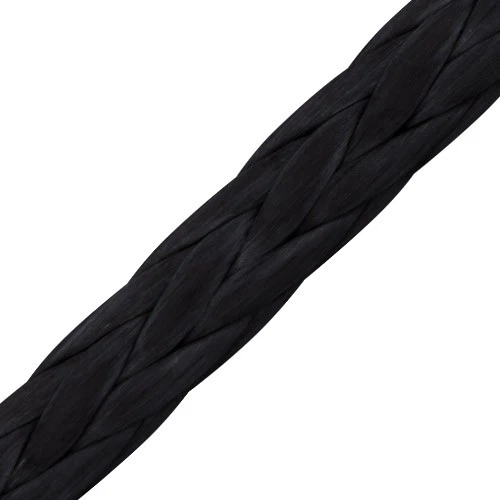
Material Fiber and Properties of Marine Ropes
Natural Fiber (Hemp, Cannabis, Cotton, Manila, etc.)
These are the so-called traditional ropes that were manufactured and used in ancient maritime times. Ropes made from natural fibers shrink when exposed to moisture (water) and tend to fray easily. This is why they are rarely found on modern boats today, as they lack the strength, breaking limit, and elasticity compared to synthetic ropes. However, they can still be used on traditional vessels to add a retro look due to their natural appearance.
Polyester
Polyester is one of the most common rope making materials. It maintains its strength even if it gets wet, sinks, does not fray easily and is not very elastic. Features that make it used for every use, even in Sailing boats for handling the sails.
Nylon – Polyamide
Nylon ropes are more elastic than polyester but they offer reduced strength when they get wet. They don’t float and are ideal for use as mooring lines, where elasticity is necessary to absorb the load from a boat’s cleats. Nylon ropes tend to be replaced by polyester ropes, due to their wet properties.
Polypropylene
Polypropylene ropes have low friction resistance and are not resistant to ultraviolet rays. However, their high elasticity, ability to float, and low cost make them ideal for uses such as mooring lines, rescue ropes, and watersports where buoyancy is required.
Types of Marine Rope

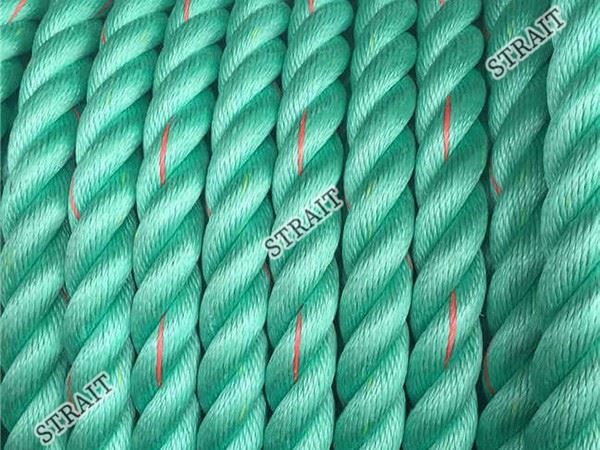


Nylon rope
This nylon marine rope is 100% nylon and makes an excellent option for outdoor use around water since it floats on water with little to no absorption! Nylon rope is often chosen over other types of marine rope because its polyurethane coating makes it extremely strong.
Our nylon marine rope won't stretch, shrink or rot and can be used as towlines on boats, tie-down straps for cargo, mooring lines, ultraviolet protection, and as a heavy-duty general purpose utility rope with multiple uses for any job that needs to hold up.
Polypropylene rope
This polypropylene marine rope is a general-purpose piece of rope available in various sizes, diameters, and types that can be used for many applications, such as crab and lobster lines. Commercial farmers can also use it for buoy moorings, aquaculture, and net lines. It is most commonly used for activities like wakeboarding and water skiing. It's also used to tow dinghies and comes in various thicknesses and colors to complement the design of whatever it happens to be tied around or through.
Our polypropylene marine rope is the ideal material for long-term use and storage as it's impermeable to water and therefore is immune to rotting! This makes it especially useful when used outdoors with a significant chance of regular moisture. The bright colouring on polypropylene makes it easily visible, which is important in rough and harsh weather or low-light conditions. Because polypropylene floats, it is used to designate swimming lanes in pools.
Manila rope
This manila marine rope can be cut to different sizes and lengths. It's derived from the fibers within the stalk of the philippines' most common plant, the abaca or banana plant, and has been used for decades as an alternative to hemp due to its resilience. Manila ropes are great for holding knots in place and also have a natural resistance against weathering or mildew. It's important to note, though, that manila ropes are not chemically resistant at all, so they should be kept away from products with hazardous chemicals like bleach, etc.
Polyester marine ropes
This polyester marine rope contains 100% high-strength fiber, which is woven by compound twisting and then processed into strands. As it contains no natural material, it also means that the fibers do not break apart in a wet environment. This means it can withstand very heavy loads which is perfect for high load continuous friction operation.

Whether marine ropes are made from natural fibers or synthetic materials like polyester, they require maintenance and protection, much like clothing. While cleanliness is a top priority for clothing, marine ropes have different needs.
Protect from sun exposure: When marine ropes are not in use, store them in a protected area away from direct sunlight to prevent unnecessary exposure.
Rinse with fresh water: If ropes come into contact with seawater, rinse them thoroughly with clean, fresh water. Seawater leaves behind salt crystals as it evaporates, which can make marine ropes stiff and promote UV damage.
Avoid excessive knots: Try to avoid excessive knots in ropes, as they can damage the fibers and the rope's structure.
Allow to dry: After rinsing, allow the ropes to dry fully. Avoid storing wet marine ropes in confined spaces, as this can lead to mildew.
Annual cleaning: Consider an annual cleaning with soap and fabric softener in a basin to restore elasticity and color.
Uses of Marine Ropes
The nylon marine rope is probably one of the most versatile ropes; nylon rope is commonly used for pulley systems or winches because of its resistance to abrasion and shock absorption. The nylon rope is perfect for sailors and is widely found in mooring lines, anchor lines, pulleys, and tie-down, and it features shock absorption qualities that make it a great rope for lifting or towing jobs, where rope needs to absorb a dynamic load.
The Polypropylene marine rope is particularly suited for use around water, will not rot due to water, and is resistant to mildew. This rope is also produced in various colors, making it a common choice for barriers at golf courses, parks, or even power plants. Because polypropylene floats, it is used to designate swimming lanes in pools. Commercial fishers commonly utilize this rope, especially in crab and lobster lines. We can also use Polypropylene Marine rope for buoy moorings, aquaculture, and net lines.
The Manila marine rope is durable, flexible, and resistant to salt water damage, allowing its use in the string, hawsers, ships' lines, and fishing nets. We can use it to make handicrafts like bags, carpets, clothing, furniture, and hangings. But one of the most crucial applications of Manilla rope is in Marine operations. This article explores the origin of the manila marine rope. But first, let's talk about its invention and subsequent commercialization and application to Marine operations.
While the polyester marine rope is constructed of polyester and has a special construction in its filament; it is designed to resist severe abrasion and provide non-rotating thread. It’s specially used for anchorages, mooring ropes, fenders, hoisting ropes and lifelines on ships. The polyester filament used to make this rope is white, lightweight and heavily resistant to wear.
Marine Rope: What Works Best
Finding the right rope
Before synthetic rope was made, natural materials were used for rope on historic boats and vessels. Now most marine ropes are made of synthetic fibers like polyester, nylon, and polypropylene for both land and underwater purposes. They are applied to sails, anchors, and securing the boat or items on the boat. It is extremely important to know what materials and construction of marine rope you are using for each purpose. Some key things to look for when deciding what rope to get is noting how strong and durable the rope is, whether it floats or sinks, and how much it stretches when in use or when it gets wet.
Difference between materials
One of the more popular ropes used in marine use are made out of polyester. Even though this type of rope doesn't float, it is typically cheaper than other marine ropes and it a has great strength as well as resistance to abrasion and uv light. Polyester rope is easy to splice, and due to the fact that the rope sinks, it is mot commonly used for anchor lines. Another common anchor line rope is the nylon rope because of its elasticity and shock absorption. On the other hand, it does weaken when it gets wet which would mean that if a nylon rope is being used as an anchor line that it may have to be replaced more frequently. One other common rope is polypropylene that is used on smaller boats and vessels. Polypro rope floats on water making it a great marine rope for safety lines in the water.
Kinds of rope construction
There are also the options of having a braided or twisted rope. A double braided rope is constructed with a braided core that has a braided cover, which makes the marine rope easier to handle when rigging or running lines. Single braided ropes have a parallel core with a braided cover making it more flexible, and it won’t kink. These kinds of marine ropes are best for large dock lines and furling lines. Finally, a twisted rope can be easier to handle, more durable, and has improved flexibility, so it is used in a wide range of purposes like docking, mooring, or being used with an anchor or as a tow line.
Between docking, anchoring, sailing and towing, marine rope wears a bunch of hats in the boating world. Whether you have a sailboat, pontoon boat, deck boat or cabin cruiser, marine rope is the one common piece of gear all boaters need. But what makes marine rope (or "line") different than any other rope? How do you know whether you want a rope that floats as opposed to one that sinks? Yes, there are needs for both types in the boating world.
Characteristics of marine rope
You can't (or at least you shouldn't) use just any old rope around water, salt and other outdoor elements. Whether you have a sailboat, trawler or canal boat, you'll want to take a few minutes to learn the important characteristics to look for when choosing marine rope.
Types of marine rope
Sailboats, in particular, use a lot of rigging and rope that's not needed in power boating.
Color-coded marine rope
One cool and useful feature about sailing rope is that it's often color-coded. In the sailing world, there are standard color codes to distinguish the use and length of rope.
Marine rope flecks and tracers
Ever notice how some marine rope has specks of different colors? It's called a "fleck" when there's an extra bit of color in the rope (like a white rope with flecks of blue).
When there's more than one color (like a white rope with red and blue), the term tracers is used. The flecks are used to indicate length or depth.
Marine rope materials and fibers
You'll find that several synthetic and natural fibers go into the construction of marine rope. Consider your budget and what you'll use the rope or lines for when making a decision.
Marine rope construction
In addition to the various types of marine rope fibers, there are a couple of ways marine rope is constructed, including braided, twisted and with a parallel core.
Braided marine rope
You'll find two types of braided marine rope: Single and double-braided. Single-braided marine rope has a flexible construction that doesn't kink or twist. It's used on sailboat main sheets and large dock lines.
Double-braided rope has a braided core and a braided cover. It's easy to handle and is strong and durable. It's used in running rigging and dock lines.
3-Strand twist marine rope
A 3-strand twist rope is just what it sounds like ... A twist of three strands. It's flexible, durable and long-lasting. It doesn't harden with age and is used for anchors, running rigging, and dock, mooring and tow lines.
The Company can produce cords and ropes with a diameter from 2mm~300mm and in a wide variety of structures and types, including 3 strands, 4 strands, 6 strands, 8 strands, 12 strands, 16 strands, and double-layer braided 24 strands, 32 strands, 36 strands, 48 strands, etc., which have been widely used in deep sea mooring, marine engineering, ocean transportation, national defense and military industry, port towing, ocean fishery, mariculture, water conservancy engineering and special equipment and other fields. Most of the ropes were shipped to Southeast Asia and European and American markets and win unanimous praises from different users at home and abroad.
The company attaches great importance to the research and development of new technologies and products, and it has established industry-university research cooperation relationships with various higher education institutions as well as signed long-term technology research and development agreements with a national "Thousand Talents Plan" team. Currently, it has 2 national invention patents and 30 utility model patents.

Certificates

Ultimate FAQ Guide to Marine Rope
As one of the leading marine rope manufacturers and suppliers in China, we warmly welcome you to buy cheap marine rope made in China here from our factory. All customized products are with high quality and competitive price.
Marine Ropa, Dangling Rope Marina News, Marine Boat RopePopular Products


competitive price
easy to handle
great performance


