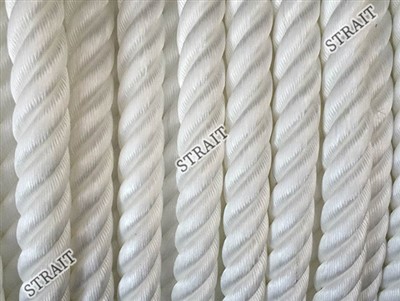
Polystyrene and polypropylene are two common materials used for making ropes. Both have their own unique properties and advantages that make them useful for a variety of applications.
Polypropylene (PP) is a thermoplastic polymer that is widely used for making ropes. It is known for its high strength, durability, and resistance to abrasion and UV rays. Polypropylene ropes are also lightweight, which makes them easy to handle and transport. They are widely used in marine, construction, and outdoor applications, as well as for packaging, agriculture, and sports.
On the other hand, polystyrene (PS) is a synthetic polymer that is often used for manufacturing foam products, such as insulation, packaging, and disposable tableware. However, polystyrene ropes are not as common as polypropylene ropes, and are mostly used for specific applications, such as fishing and aquaculture.
One of the major differences between polystyrene rope and polypropylene rope is their strength and durability. Polypropylene ropes have a higher tensile strength than polystyrene ropes, which means they can withstand heavier loads without breaking or stretching. They are also more resistant to environmental factors, such as moisture and chemicals, and can last longer than polystyrene ropes.
Another difference is their flexibility and elasticity. Polypropylene ropes are more flexible and elastic than polystyrene ropes, which means they can bend and deform without breaking or losing their shape. This makes them ideal for applications where shock absorption and flexibility are required, such as towing, mooring, and anchoring.
In addition, polypropylene ropes are more resistant to UV rays, which can cause degradation and discoloration over time. This makes them ideal for outdoor use, such as in boating, camping, and gardening. They are also resistant to mildew and rot, which makes them suitable for use in marine environments.
Overall, both polystyrene rope and polypropylene rope have their own advantages and disadvantages, and are suitable for different applications. While polypropylene ropes are more commonly used due to their high strength, durability, and resistance to environmental factors, polystyrene ropes can also be useful in specific applications where their unique properties are required. Regardless of the material, it is important to select a rope that is appropriate for the specific application and environment, and to inspect the rope regularly for signs of wear and damage.
Hot Tags: polystyrene vs polypropylene, China polystyrene vs polypropylene manufacturers, suppliers, factory, Polypropylene Monofilament Fiber Rope, Polypropylene Homopolymer, Boat Rope Protectors, Pp Braided Rope, Polypropylene PP Rope